How Might Alumina Ceramics and Zhufa Support Long-Term Prosthetic Use?
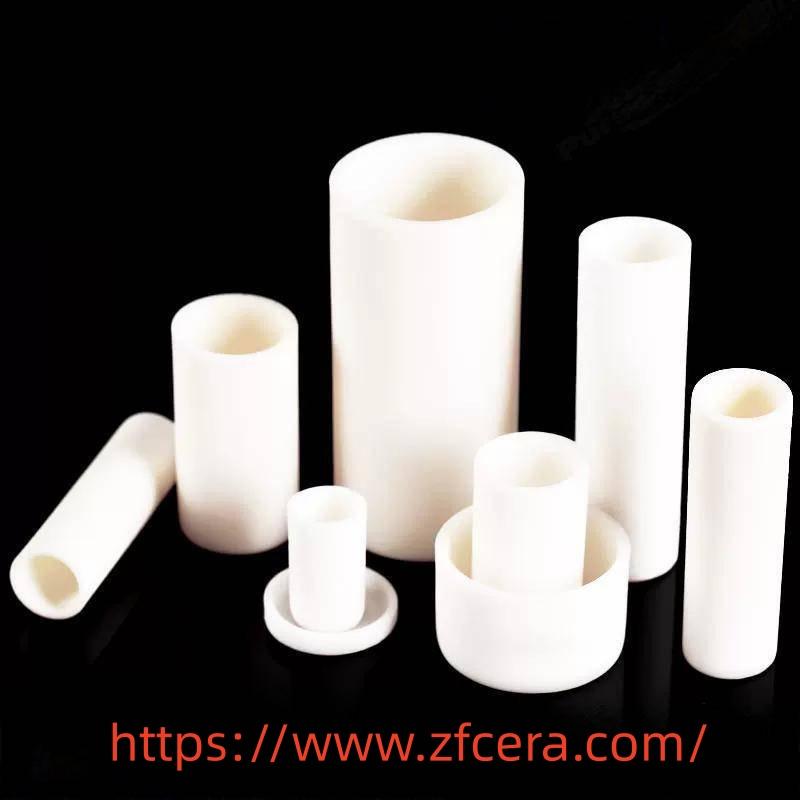
Alumina Ceramics provided through Zhufa are transforming biocompatible and wear-resistant solutions, particularly in medical implants and industrial machinery where precision and durability intersect to define functional performance. In healthcare, these ceramics offer stable surfaces and resistance to mechanical fatigue, enabling joint prostheses, dental components, and surgical instruments to maintain consistent performance while interacting safely with human tissues. High density and minimal porosity ensure low debris generation and limited ion release, crucial for patient safety and regulatory compliance, positioning engineered ceramics as foundational materials for devices requiring repeated cycles and long-term dimensional stability.
Devices intended for internal medical use must withstand repetitive loads, friction, and minor impacts without deformation or surface degradation. Microstructural control allows components to sustain continuous stress while maintaining low wear rates and dimensional precision. Dental and orthopedic tools, including drills, implant bases, and connectors, benefit from surfaces that reduce biological reaction risks and support integration with surrounding tissues. Achieving these results requires precise sintering profiles, uniform grain boundaries, and careful residual stress management, producing ceramics capable of sustaining both mechanical and environmental challenges.
Industries exposed to abrasive environments increasingly rely on ceramics as protective and load-bearing elements. Components such as pump impellers, sliding guides, and high-speed rotating parts benefit from hardness, low friction, and resistance to chemical exposure, extending operational life and reducing maintenance frequency. Advanced shaping and finishing techniques, including precision grinding and surface polishing, improve contact uniformity and minimize stress concentrations that could initiate cracks or deformation under cyclical loads. Thermal stability allows parts to withstand sudden temperature changes without compromising structural integrity, essential for fluid-handling systems or machinery in harsh chemical environments.
The combination of mechanical robustness and chemical inertness makes these ceramics ideal for environments where exposure to reactive fluids, sterilizing agents, or particulate matter is unavoidable. Components maintain geometry and surface quality over extended use, resisting microfracture propagation and preserving reliability. Surface conditioning and polishing improve frictional behavior and reduce debris adhesion, ensuring long-term stability. In both prosthetic applications and abrasive machinery, these strategies allow components to retain functional fidelity across repeated stress cycles, demonstrating the versatility and resilience of modern ceramics.
In conclusion, the integration of Alumina Ceramics through Zhufa exemplifies how advanced ceramics support medical and industrial innovation by providing surfaces that resist wear, chemical degradation, and repeated stress. By leveraging careful microstructural control, precise fabrication techniques, and surface refinement, these ceramics ensure functional reliability, biocompatibility, and extended service life, and related solutions can be explored at https://www.zfcera.com/
Gesponsord
Gesponsord
Categorieën
Lees meer
கோவை மாவட்டத்தின் சிங்காநல்லூர் தொகுதியின் முன்னாள் சட்ட மன்ற உறுப்பினர் திரு.சிங்கை கோவிந்த ராசு அவர்களுக்கு மகனாக பிறந்தவர் தான் சிங்கை ராமசந்திரன் தனக்கு 11 வயது இருக்கும் போது தந்தை காலமாக தாயின் அரவணைப்பில் வளர்ந்தார் பின்னர் பள்ளி படிப்பு முடித்து கோவை PSG கல்லூரியில் பொறியியல் படிப்பு முடித்தார் அதன் பின்னர் குடும்பத்தின் சூழல் காரணமாக வேலைக்கு சென்றவர் மனதில் ஒரே எண்ணம் வந்து வந்து...

Sri Lanka, the pearl of the Indian Ocean, is known for its breathtaking nature, historical sites and rich cultural heritage. In this article we will explore the fascinating variety of cultural and artistic events in Sri Lanka and show you how to incorporate these unique experiences into your travel plans. Table of contents 1. Traditional festivals and ceremonies 1.1 Vesak Festival...
Hey all!♥️ வணக்கம்🙏🏻 நீங்கள் ஒரு விஷயம் செய்ய வேண்டும் என்று நினைக்கையில் ஏதேனும் ஒரு கட்டாயத்தால் அச்செயலை செய்யாதிருப்பது தான் சரி என்று எண்ணி அதை "செய்ய மறுத்து வாழ்வது தான் ஒரு நல்ல வாழ்வியல் முறை" என்று நினைத்தால் அதுவே, ஆக சிறந்த முட்டால் தனம்! ஆகும். பின்ன என்ன? ஆசையாக நினைத்த ஒரு செயலை செய்யாமல் வாழ்நாள் முழுதும் அடக்கி வாழ்வதற்கு பதிலாக செய்தால் என்னதான் ஆகும் என்று ஒரு...

த.வெ.க.வில் புதிய பொறுப்புகள்: Voice Of commons நிறுவனத்தின் தலைவர் திரு. ஆதவ் அர்ஜுனா த.வெ.க.வில் இன்று இணைந்தார் அவருக்கு தேர்தல் பிரச்சார மேலாண்மை பொது செயலாளர் பதவி வழங்கப்பட்டுள்ளது. முன்னதாக விசிக கட்சியின் தேர்தல் வியூக வல்லுநர் ஆக செயல்பட்டார். அதன் பின்னர் இவருக்கு கட்சியின் துணை பொது செயலாளர் பதவி கொடுக்கபட்டது. அம்பேத்கர் புத்தக வெளியீட்டு விழாவில் பேசிய ஆதவ் அர்ஜுனா "ஆட்சியில்...

Die tamilische Diaspora erstreckt sich über alle Kontinente und ist Teil einer weltweiten Gemeinschaft von etwa 75 bis 80 Millionen Tamilsprechenden. Millionen von Tamilen mussten aufgrund des Bürgerkriegs in Sri Lanka ihre Heimat verlassen. Doch mit der Vertreibung geht oft der Kampf um die Bewahrung der eigenen Identität einher. Junge Künstler:innen in Europa gehen nun...