How Does Qinlang Multi Stage Centrifugal Fan Guide Airflow?
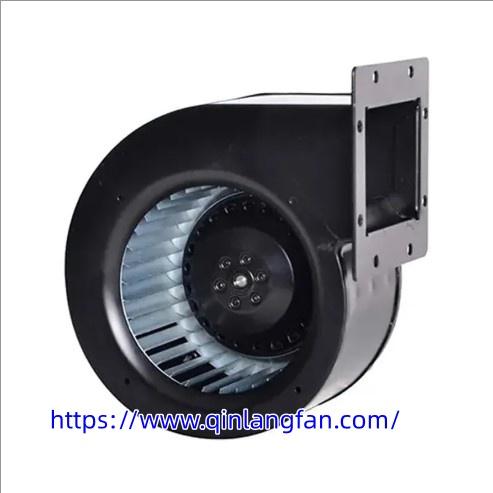
Across many environments that depend on layered airflow behavior shaped through coordinated pressure zones, Qinlang introduces a Multi Stage Centrifugal Fan designed to create steady patterns across installations where airflow must transition through channels marked by structural variation, ambient interference, and spatial redirection. Its form encourages guided circulation during phases when interior conditions shift due to equipment operation, occupancy changes, or external exchange, allowing air to follow a path defined by curved transitions that steady the movement as it advances. In spaces where circulation cannot fluctuate abruptly without affecting process consistency or comfort conditions, this design becomes a foundation that keeps airflow grounded across long timelines.
The multi-stage arrangement distributes motion through a sequence that stabilizes pressure before sending it forward, which becomes essential when managing channels that widen or narrow as air continues its journey. By channeling the flow gently into the next passage, the design reduces episodes of force buildup that typically occur in high-demand ventilation systems. This helps maintain even movement inside the structure, and users gain predictability as the airflow avoids rushing into turbulent states. Facilities seeking an organized atmosphere appreciate how this orderly translation of motion reduces internal conflict, allowing each rotation to align with the intended direction.
As airflow travels through large areas that include equipment corridors, open platforms, or temperature-sensitive sections, the shape of this fan allows circulation to ease its way through distinct zones without striking sudden resistance. This characteristic becomes important in settings where several conditions influence the moving air simultaneously. When air disperses from one zone into another, it keeps a calm stride that supports environments relying on steady thermal patterns or consistent atmospheric quality. Across working spaces, the balanced transition helps equipment sustain its rhythm without facing unstable atmospheric pressure.
Another important quality emerges from the way the airflow spreads across the interior surfaces. When air glides along curved boundaries, it avoids sharp collisions that typically cause vibration and acoustic disturbance. Many locations require long, continuous cycles that must stay quiet for extended durations, and this design supports that requirement by encouraging a softened interaction between the air and the structure. In enclosed rooms or controlled zones, this sense of quiet strengthens the environment, ensuring working conditions remain comfortable even when ventilation intensity changes throughout the day.
Long-term stability is also tied to how well the interior components resist irregular force distribution. Because the staged sequence distributes energy across controlled transitions, the rotating sections do not face abrupt pressure differences that could compromise alignment. This reinforces the system’s durability by lowering strain on critical parts. Over time, this helps service teams predict performance characteristics with clarity, allowing systems to operate in a reliable state without surprising mechanical behavior during long periods of operation.
As airflow encounters branching ducts or elevation shifts, the steady output of this fan helps the movement adapt without drifting into inefficient patterns. Many layouts create natural challenges due to changing structural angles, and the ability to maintain a calm and focused direction ensures that air does not lose its organized path. This becomes vital in facilities where circulation patterns must maintain consistent density and directional control to uphold daily routines and safety standards.
The staged architecture also enhances the distribution of thermal energy across extended spans. Air that travels in a disciplined manner supports the moderation of surface temperatures in areas where sensitive devices depend on stable surroundings. Under varying workloads, the fan sustains a structural harmony between momentum and controlled passage, allowing the environment to stabilize with minimal fluctuation. This contributes to operational confidence across installations that require uninterrupted airflow management.
By promoting an ordered path across transitions, the Multi Stage Centrifugal Fan from Qinlang provides a dependable airflow framework for spaces that must operate without disruption while managing changes in occupancy, machinery output, and spatial configuration. Its design encourages steady momentum that reaches every zone with discipline, supporting long-running systems that value quiet, stable, and coordinated airflow. Further information can be found at https://www.qinlangfan.com/product/centrifugal-fan/
Sponsored
Sponsored
Categories
Read More
ஈரோடு கிழக்கு தொகுதியின் காங்கிரஸ் சட்ட மன்ற உறுப்பினர் திரு. ஈ.வி.கே.எஸ்.இளங்கோவன் காலமான நிலையில் தேர்தல் ஆணையம் இடை தேர்தல் அறிவித்தது. இதனை தொடர்ந்து எந்த கட்சி ஈரோடு கிழக்கு தொகுதியில் போட்டியிட போது என்று எதிர்ப்பார்ப்பு எழுந்தது. மறுபடியும் காங்கிரஸ் போட்டியிட உள்ளதா அல்லது திமுக போட்டியிட உள்ளதா என்று குழப்பம் உண்டான நிலையில் தற்போது திமுக சார்பில் திரு.சந்திரகுமார் போட்டியிட உள்ளார்....

Are you ready to dive into a world of electrifying beats, pulsating rhythms, and unstoppable energy? If your answer is a resounding yes, then you’re in for a treat! Welcome to the ultimate Vijay Antony Dance Hits Playlist, a collection of his most iconic Tamil kuthu songs that will make you move, groove, and dance like never before. Whether you’re a die-hard dance enthusiast, a...

MGR's political journey, from Congress to DMK and finally AIADMK, marks a monumental era. His unique history of transitioning from cinema to Chief Ministership remains unparalleled. In 1972, he was expelled from the DMK due to internal conflicts—a decision whose repercussions the then DMK leader Karunanidhi failed to foresee, but it sent shockwaves among the masses. No other...

If you are planning a trip to Sri Lanka, the “Pearl of the Indian Ocean”, you are probably wondering when is the best time to enjoy its breathtaking nature, rich culture and history, diverse wildlife and delicious cuisine. In this comprehensive guide, we give you an overview of the best time to travel to Sri Lanka, taking into account climate, activities and the most attractive...

Festivals are a cornerstone of Tamil culture, each celebration marking significant historical, seasonal, or spiritual events that bring people together, strengthen community bonds, and celebrate the Tamil heritage. These festivals are more than just cultural occasions—they are expressions of gratitude, joy, and unity that honor traditions dating back thousands of years. This article takes...