

IKEA Kitchen Designers’ Guide to Maximizing Small Kitchen Spaces
Designing a small kitchen isn’t about sacrificing style — it’s about making smarter choices. IKEA kitchen designers specialize in transforming tight spaces into highly functional, beautifully organized cooking areas. Whether you’re working with a studio apartment, a compact condo, or a narrow galley layout, the right planning strategies can make a dramatic difference.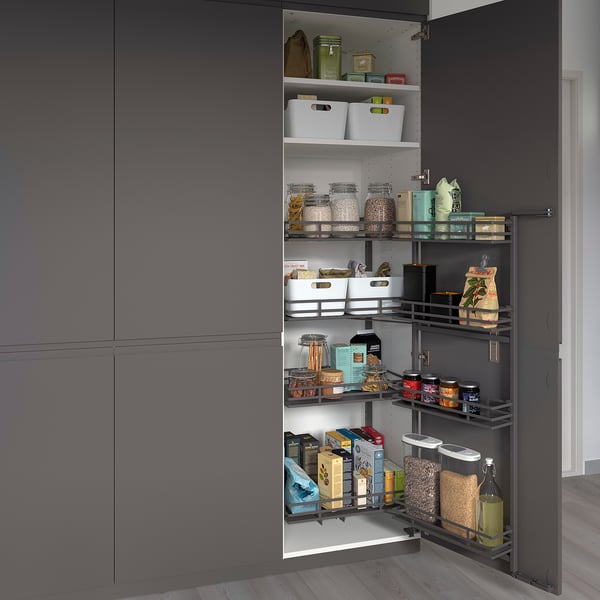
Here’s a practical guide inspired by the techniques IKEA designers use to maximize every inch.
1. Start with Smart Layout Planning
In small kitchens, layout is everything. Designers carefully evaluate:
-
Wall dimensions
-
Window and door placement
-
Appliance sizes
-
Traffic flow
Common space-saving layouts include:
-
Galley kitchens for narrow rooms
-
L-shaped kitchens to open up floor space
-
Single-wall kitchens in studio apartments
The goal is to create a natural workflow between the sink, stove, and refrigerator while keeping walkways clear.
2. Think Vertical — Use the Full Height
One of the biggest secrets in small kitchen design is going upward.
Instead of stopping cabinets below the ceiling, IKEA designers often recommend:
-
Ceiling-height wall cabinets
-
Stacked upper cabinet combinations
-
Open shelves above standard cabinets
-
Hanging rail systems for utensils
Vertical storage reduces clutter and keeps countertops open, making the kitchen feel larger.
3. Choose Drawers Over Traditional Cabinets
Lower cabinets with deep drawers are more efficient than standard shelves. Why?
-
Everything is visible at once
-
No bending to reach the back
-
Easier organization
Pull-out drawers allow better access in tight spaces, reducing wasted storage areas.
4. Optimize Corner Spaces
Corners can become dead zones if not planned properly. IKEA designers use:
-
Corner carousel units
-
Pull-out corner systems
-
Angled cabinet solutions
These features turn awkward spaces into practical storage areas.
5. Keep the Color Palette Light and Clean
Small kitchens benefit from visual openness. Designers often suggest:
-
White or light-toned cabinet fronts
-
Minimalist hardware
-
Reflective backsplashes
-
Under-cabinet lighting
Light colors reflect natural light and make the space appear bigger and brighter.
6. Integrate Compact Appliances
Oversized appliances can overwhelm a small kitchen. Instead, consider:
-
Slim dishwashers
-
Built-in microwaves
-
Compact refrigerators
-
Two-burner cooktops (if space allows)
Integrated appliances also create a seamless, uncluttered look.
7. Add Multi-Functional Elements
When space is limited, every feature should serve more than one purpose.
Designers often recommend:
-
Kitchen islands with built-in storage
-
Fold-down wall tables
-
Extendable countertops
-
Seating that doubles as storage
This flexibility increases usability without crowding the room.
8. Declutter with Smart Organization
Interior fittings are just as important as exterior design. To keep small kitchens tidy, IKEA designers use:
-
Drawer dividers
-
Pull-out spice racks
-
Hidden waste sorting bins
-
Tray dividers for vertical baking sheet storage
When everything has a place, the kitchen feels calmer and more spacious.
9. Prioritize Lighting Layers
Lighting dramatically impacts how large a space feels. Designers plan for:
-
Task lighting under cabinets
-
Ambient ceiling lighting
-
Accent lighting inside glass cabinets
Good lighting eliminates dark corners and enhances depth.
10. Plan for Long-Term Flexibility
Even small kitchens should adapt to changing needs. IKEA’s modular systems allow homeowners to:
-
Swap cabinet fronts later
-
Add extra storage units
-
Upgrade appliances without redesigning the entire kitchen
This flexibility makes small-space design both practical and future-ready.
Final Thoughts
Maximizing a small kitchen isn’t about squeezing in more cabinets — it’s about smart, intentional design. IKEA kitchen designers focus on workflow, vertical storage, modular flexibility, and visual openness to make compact kitchens feel functional and inviting.
Patrocinado
Patrocinado
Categorias
Leia mais
In 2026, optical retailers across Saudi Arabia are recognizing that برنامج إدارة محلات البصريات is no longer just a business tool but a strategic asset for inventory control and operational excellence. As customer demand for eyewear, lenses, and accessories continues to grow, managing stock manually becomes increasingly complex. Modern optical store management software helps businesses maintain...

Dubai is a city known for its iconic skyline, luxurious lifestyle, and world-class attractions. Yet beyond the glittering towers lies a breathtaking natural landscape that attracts thrill-seekers from around the world—the vast Arabian desert. Desert adventure tourism has become one of the most sought-after experiences in Dubai, offering visitors the perfect blend of adrenaline, culture,...
Sri Lanka é um país cheio de maravilhas e contrastes. Uma joia para qualquer viajante, conhecida por suas praias deslumbrantes, rica cultura e história, natureza intocada e a calorosa hospitalidade de seu povo. Ficha Técnica Localização: Sri Lanka é uma ilha no Oceano Índico, a sudeste do subcontinente indiano. Clima: Clima tropical de monções Capital: Colombo...

As Dubai’s skyline continues to evolve with the 2040 Urban Master Plan, the demand for smarter, sleeker, and more sustainable vertical mobility has never been higher. For villa owners in Emirates Hills and developers in Business Bay, the transition to Machine Room-Less (MRL) technology is no longer a trend—it is a standard. Understanding the benefits of machine roomless elevator...
Cardboard Dispenser Boxes Packaging in contemporary markets and commerce is not merely about protection, but it is also directly connected with accessibility, visibility and sales effectiveness of the product. The cardboard dispenser boxes will be such that it makes the products easier to display, access and restock without being messy and also contribute to the clean and professional...